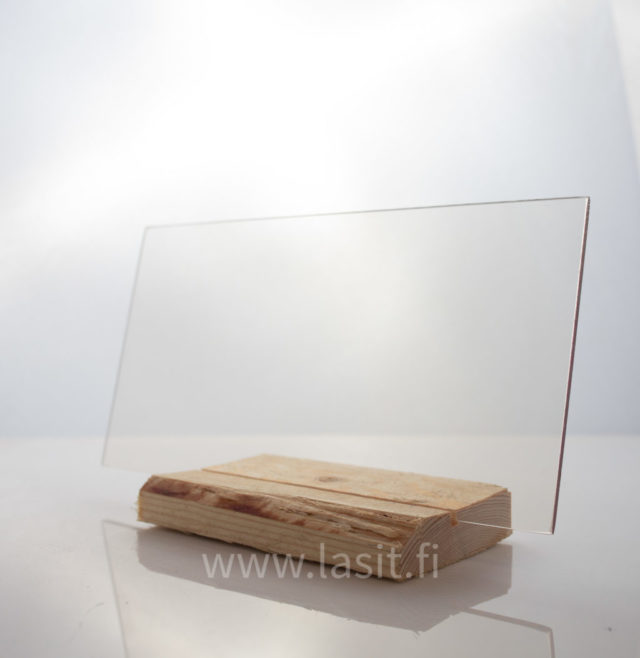
Description
 Fire-resistant glass for fireplaces
Fire-resistant glass, most common applications: fireplace glass, fireplace glass – fireplace glass, stove glass and as technical glass in inspection hatches, etc.
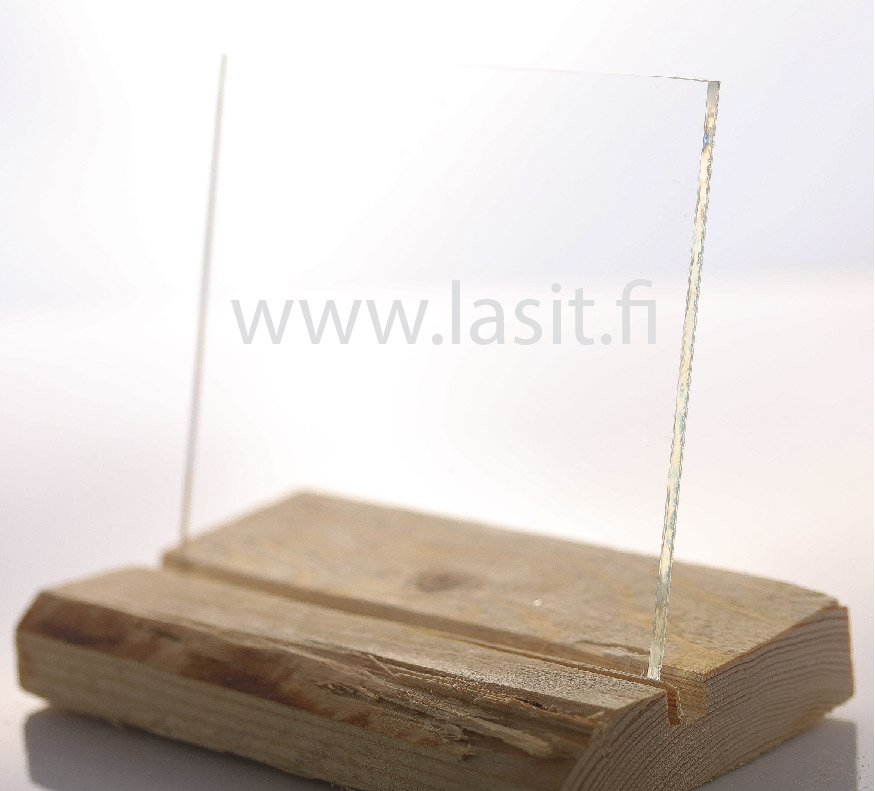
The material we supply is a very high quality and rigorously tested 4mm thick ceramic refractory glass with a very low coefficient of thermal expansion. The glass is slightly yellowish in colour, but completely transparent.
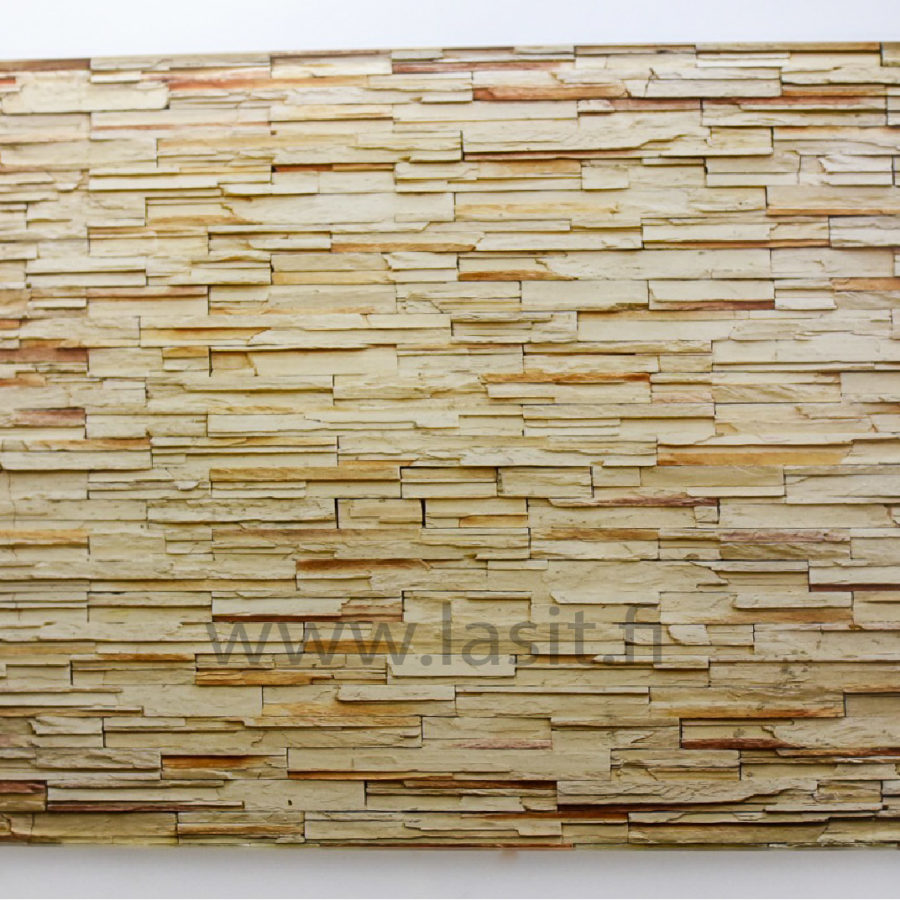
We can also provide you with a fireplace glass in
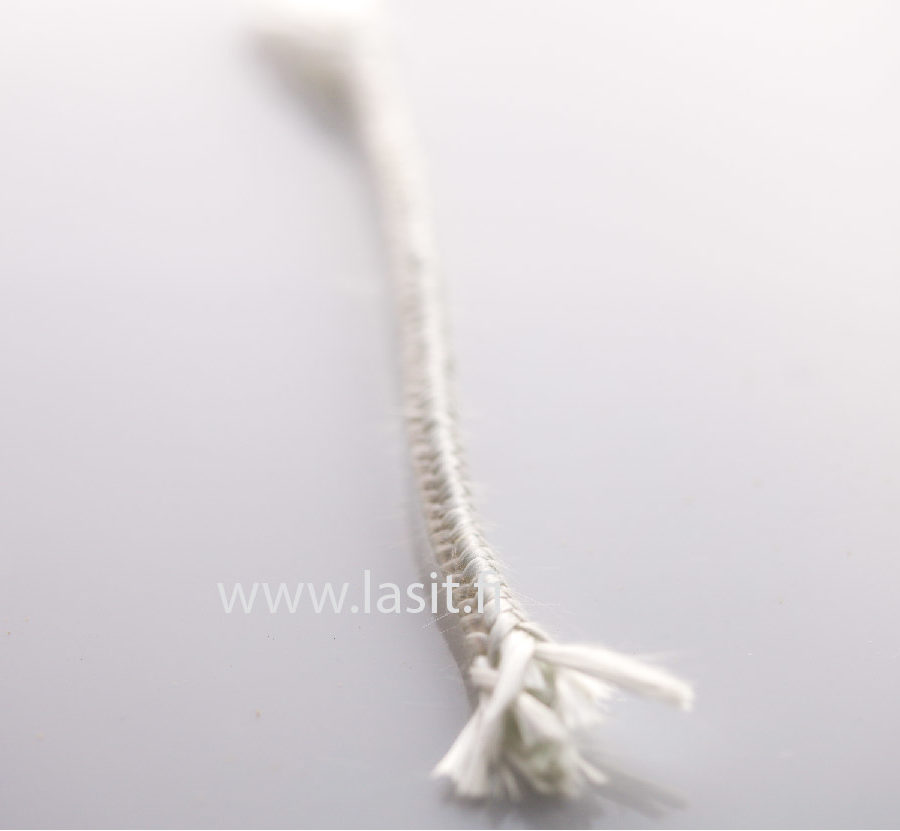
refractory braids
In cold weather, it’s important to get your hatch glass in good condition without delay, so we aim to deliver fire-resistant glass as soon as possible as a top priority. # fire-resistant glass # fireplace glass # fireplace glass
Border grinding
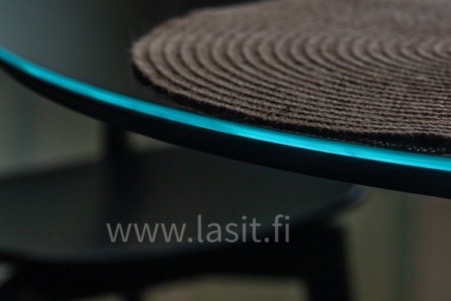
Usually the edges of the fireplace glass are hidden, so no further sanding is needed. If the edges of the glass remain visible after installation, we recommend that you also apply a polish to the glass from the edges menu. In this case, the sharp edges of the glass are ground clean and polished. ready for presentation. Edge grinding also slightly increases the bending resistance of the glass. To add to the appearance, you can also choose to have the glass surface faceted at the edge or 45-degree faceted. When facet grinding glasses, if all corners of the glass are rounded with less than 11mm of angular curvature, the facet grinding is done in a straight line and does not follow the angular curvature. Otherwise, the facet is ground on a CNC machine to follow the edge line of the glass, including the rounding.
When ordering fire-resistant glass – if you do not choose edge grinding (cut only), we will always roughly strip the edges of the glass to blunt the sharp edges.
You can get your refractory glass cut to any of the above glass shapes (select shape), also available with holes drilled.
If you need corner spins
Examples of the size of angular rotations: the radius, or R, is the size of the circle of which the angular rotation is a part. Examples of what corner spinning can be compared to:
- The diameter of a long-playing LP is about 300mm, i.e. radius R=150mm
- The diameter of the CD is 120mm, i.e. radius R=60mm
- The diameter of a 2 euro coin is about 25mm, i.e. radius R=12.5mm
- The diameter of a 10 ct coin is about 20mm, i.e. radius R=10mm
- 3mm rounding (R3) the rounding is just visible to the eye from the corner of the round, but the shape of the glass is not yet substantially changed
- The 1mm rounding (R1) doesn’t look much like a rounded corner, but feeling it with your fingertip you can feel that the sharpness has just about disappeared.
Drilling a hole in the glass – you can also order holes to be drilled in the glass to your desired location. There are certain regularities in where holes can be drilled in the glass. For example, each glass thickness has its own minimum distances, the distance between the edge of a hole and, for example, the edge of the glass, the corner of the glass or another hole. These distances are larger in tempered glass than in untempered glass, and the distances increase with the thickness of the glass. There is also a minimum hole diameter depending on the glass thickness.
- Our calculator always automatically checks that these minimum distances are met and that the hole is not too small for the glass thickness.
- The holes are always rough-edged, i.e. the holes are supposed to go “hidden”.
- 6-40mm holes are generally drilled with diamond drills and holes over 40mm are either drilled or machined with CNC machines.
- There is no upper limit to the size of the hole, we can machine almost any size hole in the glass
- The holes can also be flush with the edges, making the so-called. half e.g. for cable penetrations, etc. or fireplace glass against a round fireplace
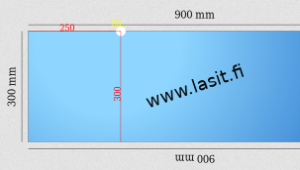

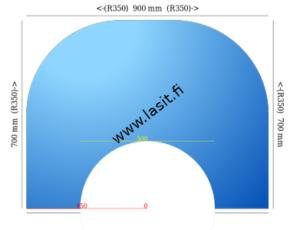

- The holes cannot be too close together, but the holes can partially overlap (min 1/3 part) – this will give you longer gaps. (Hole spacers may be machined straight if production possibilities so require)
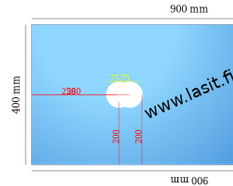

- If possible, always try to use the same hole size (cheaper)
Please note that refractory glass is not suitable for tempering (the tempering would break off the glass immediately after the first heating), so if you order glass with holes, you should be careful, for example when tightening screws through the holes.
If you are wondering about something,
please contact Customer Service
. We are happy to help!
Frequently Asked Questions
What is heat-resistant glass?
Heat-resistant glass is a special type of glass designed to withstand high temperatures without cracking or breaking. The most common type is ceramic glass, which can withstand temperatures up to +760°C. It's used in fireplace doors, stove doors, sauna heater doors, and oven doors.
What's the difference between heat-resistant glass, tempered glass, and borofloat glass?
Different glass types have different heat resistance properties and applications:
• Ceramic heat-resistant glass: Withstands +760°C, extremely low thermal expansion, perfect for direct flame contact (fireplaces, stoves). Surface slightly uneven, color distinctly yellowish.
• Borofloat glass (borosilicate): Withstands +450°C, low thermal expansion. Perfectly clear and extremely smooth surface. Borofloat is suitable for technical applications, lamp protective covers, and temperatures under 450°C.
• Tempered glass: Maximum +300°C, higher thermal expansion, suitable only for indirect heat.
For fireplace doors and stove doors, ceramic heat-resistant glass is the only correct choice.
What temperature can heat-resistant ceramic glass withstand?
Heat-resistant ceramic glass can withstand up to +760°C continuous operating temperature.
Ceramic glass has extremely low thermal expansion (0 ± 0.5 × 10⁻⁶ K⁻¹), which means it doesn't expand or contract with temperature changes. This prevents thermal shock-induced stress and cracking. This makes it perfectly suited for fireplaces, stoves, and other high-temperature applications.
Can I use regular tempered glass in a fireplace?
No, regular tempered glass is NOT suitable for fireplace doors or stove doors where direct flame contact occurs. Tempered glass can only withstand maximum +300°C, and the maximum temperature difference within the glass can only be 200K. Tempered glass can shatter instantly in rapid temperature changes - dangerous in the wrong place. Always use ceramic heat-resistant glass for fireplaces and stoves.
Is heat-resistant glass suitable for fireplace and sauna stove doors?
Yes! Ceramic heat-resistant glass is the BEST and SAFEST choice for fireplace doors, sauna stove doors, and all wood-burning appliances.
Why is ceramic heat-resistant glass the right choice?
• Withstands up to +760°C - highest temperature resistance on the market
• Suitable for DIRECT flame contact - will not crack or shatter
• Extremely low thermal expansion - no warping or breaking from temperature changes
• Safe and durable solution - tested and certified
• In stock with fast delivery
Custom cut to size - we cut the glass to your exact measurements. Choose shape, size and holes in our configurator.
Order ceramic heat-resistant glass and get a safe, durable solution for your fireplace or stove!
Where is heat-resistant glass used?
Heat-resistant ceramic glass is used in:
• Fireplace doors and windows
• Wood stove door glass
• Sauna heater door glass
• Pellet stove windows
• Oven doors and windows
• Pizza ovens
• Industrial furnaces
All applications with direct flame contact or high temperatures require ceramic glass.
Is heat-resistant glass suitable for fireplace hearth floor glass?
NO! Ceramic heat-resistant glass is NOT suitable for fireplace hearth floor glass.
For fireplace hearth (floor glass), use TEMPERED GLASS:
• Floor glass has no direct flame contact - only sparks may fly
• Tempered glass is perfectly clear (vs. heat-resistant is yellowish)
• Tempered glass is smooth and withstands floor wear better
• Tempered glass is sufficient for temperature resistance in this application
• Tempered glass is also more affordable
SUMMARY:
• Fireplace DOOR: Ceramic heat-resistant glass (+760°C)
• Fireplace HEARTH (floor): Tempered glass
Two different purposes, two different glass types!
Can you supply curved heat-resistant glass?
Yes we can, but manufacturing a single custom curved glass is very expensive.
Why are curved glasses expensive?
• Mold manufacturing costs: Each different shape requires its own mold
• Design costs: Designing and testing the bending shape
• Setup costs: Machine setup and first production run
• Total: Initial setup costs are often close to a 4-digit sum
We recommend a minimum batch of 50 pieces, because the first piece costs the most. After that, subsequent pieces are significantly cheaper (only material costs + labor).
More affordable option - check first:
It's worth asking your fireplace or stove door manufacturer first if they still have the same model in stock! Manufacturers' stock items are often very affordable because they've been produced in batches of hundreds, and the setup costs have been divided across a large batch.
Summary:
• Single curved glass: Very expensive (setup costs)
• 50+ piece batch: Unit price drops significantly
• Manufacturer's stock glass: Often the cheapest option
Contact our customer service and we'll find the best solution for your needs!
What thickness is your heat-resistant glass and are other thicknesses available?
Our stock heat-resistant ceramic glass is 4mm thick.
Why 4mm?
• 4mm is the standard thickness used in almost all (99%) fireplace and stove doors
• Optimal balance between strength and weight
• Fits all standard mounting systems
What about other thicknesses (3mm, 5mm)?
Sometimes older fireplace models used 3mm or 5mm glass, but these thicknesses are essentially discontinued. Modern fireplace and stove manufacturers use 4mm as the standard.
If your old glass is a different thickness:
4mm glass usually works as a replacement for 3mm or 5mm original glass, as mounting mechanisms are flexible. Contact our customer service if needed, and we'll confirm compatibility.
How do I measure and order the correct size?
If you have the old glass:
1. Measure the width and height of your current glass (in mm)
2. Heat-resistant ceramic glass is supplied in 4mm thickness
3. Note any special shapes (rectangular, round, corners cut)
If you don't have the old glass:
1. Measure the opening width and height (inner dimensions)
2. Subtract 4-6mm from both dimensions (2-3mm installation gap on each side)
3. Example: 300mm opening → order 294-296mm glass
IMPORTANT: The glass must not be too tight! Leave at least 2-3mm installation gap on all sides. Although ceramic glass has minimal thermal expansion, the surrounding metal expands when heated!
In our configurator, you can select different shapes (rectangular, round, corners) and also order holes by specifying their positions.
Installation tips for fireplace glass
When installing heat-resistant glass in a fireplace or stove:
• CRITICAL: Leave 2-3mm installation gap around all edges - the metal frame expands when heated!
• Screw tightening: Tighten screws just enough to barely hold the glass in place. WARNING: Threaded screws create enormous forces on the glass - overtightening can crack the glass instantly!
• Use high-temperature gaskets/seals if required by your stove model
• Clean the glass with specialized fireplace glass cleaner
Ceramic glass is hard but brittle - handle carefully during installation.
Can you drill holes in heat-resistant glass or cut it to special shapes?
Yes, you can! Heat-resistant ceramic glass can be cut to many special shapes.
Shapes:
You'll find all available shapes in our configurator. For other custom shapes, contact our customer service - we're happy to help!
Holes:
You can order holes directly in our configurator by specifying their positions. Plan holes as far as possible from edges and corners for maximum durability.
How do I clean fireplace glass?
To clean soot and residue from heat-resistant glass:
1. Wait until the glass is completely cool
2. Use specialized fireplace glass cleaner or a mixture of water and vinegar
3. For stubborn soot: wet ash on a damp cloth works well
4. Avoid abrasive cleaners that can scratch the surface
5. Wipe clean with a microfiber cloth
Regular cleaning prevents permanent staining and maintains visibility.



Reviews
There are no reviews yet.